
A music video is prepped backwards. The budget is known before the idea, because the label set it. The shoot date falls out of a release date that will not move. And the starting document is not a hundred-page script but a three-page treatment, sometimes a deck and a phone call. Everything else still has to be built — the breakdown, the schedule, the call sheets, the budget — in under two weeks, usually by the person also directing. Soldum reads the treatment, breaks it down, and derives the shooting schedule, the call sheets and the budget from it.
This page sets out what end-to-end automation actually changes on a format that is short, dense and pinned to a date. On a feature, pre-production is somebody's full-time job. On a music video, it fits in the ten days between treatment approval and the first setup.
- AI breakdown of a treatment, storyboard or shot list: setups, locations, looks, dancers, background, equipment and technical needs.
- Shooting schedule for a one-day shoot across several locations, ordered by look change and travel, recalculated on every change.
- Call sheets generated from the schedule, with individual call times for artist, dancers, hair and makeup, and crew.
- Budget derived from the breakdown and confronted with the fixed amount the label awarded, before anything is locked.
- Billed per account rather than per seat, so a crew assembled for a single day costs nothing extra to invite.
What a music video changes about pre-production
Most pre-production software is sized for narrative: a long script, several weeks of shooting, a production office that keeps the documents current. A music video inverts nearly every one of those parameters without removing a single document from the list. You still need a breakdown, a schedule, call times and a budget — you just need them in two weeks, out of a text that runs three pages, for a day where six locations follow one another. The table below sets out the differences that actually matter when you are choosing a tool.
| On this point | Short or feature film | Music video |
|---|---|---|
| Starting document | A 20 to 120 page script | A two to five page treatment, sometimes a deck |
| Length of the shoot | Three days to eight weeks | One day, two at most |
| Number of locations | Grouped to avoid company moves | Three to six inside the same day |
| What drives the running order | Locations and cast availability | Wardrobe changes and the hours the artist is actually there |
| Direction the budget is built in | Costed line by line, then financed | A fixed amount awarded by the label before the treatment is written |
| Prep window | Several weeks to several months | Ten to fifteen days, pinned to the release date |
| Crew | A standing production department | Ten to twenty people assembled for one day |
| Delivery | Post over several months | Master expected within days of the shoot |
Starting from a treatment, not a script
This is the first question we get about the format: a music video has no screenplay, so what is there to break down? The treatment, the storyboard, the shot list — any document describing what will be shot. Soldum imports it as a PDF and pulls out everything that carries a cost or a constraint: setups, locations, interior or exterior, day or night, whether the artist is in frame, dancers and background, wardrobe and looks, props, vehicles, grip, specific technical needs. A treatment says less than a script, and the breakdown makes that visible: the gaps show up in a list instead of surfacing the night before the shoot. Nothing the AI proposes is applied without your approval — you review it setup by setup, fix what was misread, and add what the text does not say yet.
Looks, playback and choreography
On narrative, the running order follows locations. On a music video, it follows looks: every change of wardrobe, hair and makeup takes the artist out for thirty to ninety minutes, and that, not travel, is what eats the day. On top of it sit the constraints specific to the format. Playback is shot to the track, so in full passes rather than fragments. Choreography needs rehearsal on the floor before the first take. Dancers and background have call times that are not the crew's. Soldum treats all of this as breakdown data: a look, a group of background performers or a choreographed section attaches to the setups it concerns, and the schedule groups them instead of leaving you to count wardrobe round trips in your head.
The label's number, and what fits inside it
A music video is costed backwards: the amount comes first, awarded by the label or the commissioner, and the question is not what the video costs but what fits. Soldum builds the budget from the breakdown and the schedule — categories and line items, quantities, labour separated from rentals and services, employer contributions computed rather than guessed — so you can put a real cost next to the award before committing to anything. Rates can be grounded in French collective-agreement scales, the industry-wide minimum pay grids used on French productions, which is a concrete advantage if you shoot in France and simply neutral if you do not. When you are fifteen per cent over, what matters is the trade-off, and a trade-off is easier on a built budget than on a hunch: one location fewer, one day of grip fewer, two dancers fewer.
One day, five locations: the shooting schedule
On a single-day shoot, the schedule does not need to be optimal, it needs to be survivable. Soldum builds it from the breakdown: setups grouped by location and by look, travel time between places, choreography rehearsals placed ahead of takes, and the window in which the artist is genuinely available — almost always the real limiting factor, ahead of daylight. When a location falls through five days out, or the artist pushes their arrival by three hours, you do not redraw the day: you change the element and the rest recalculates, along with the call sheets and the budget lines that depend on it. It is the most common event on a music video, and the most expensive one to handle by hand.
Call sheets when the crew is assembled in ten days
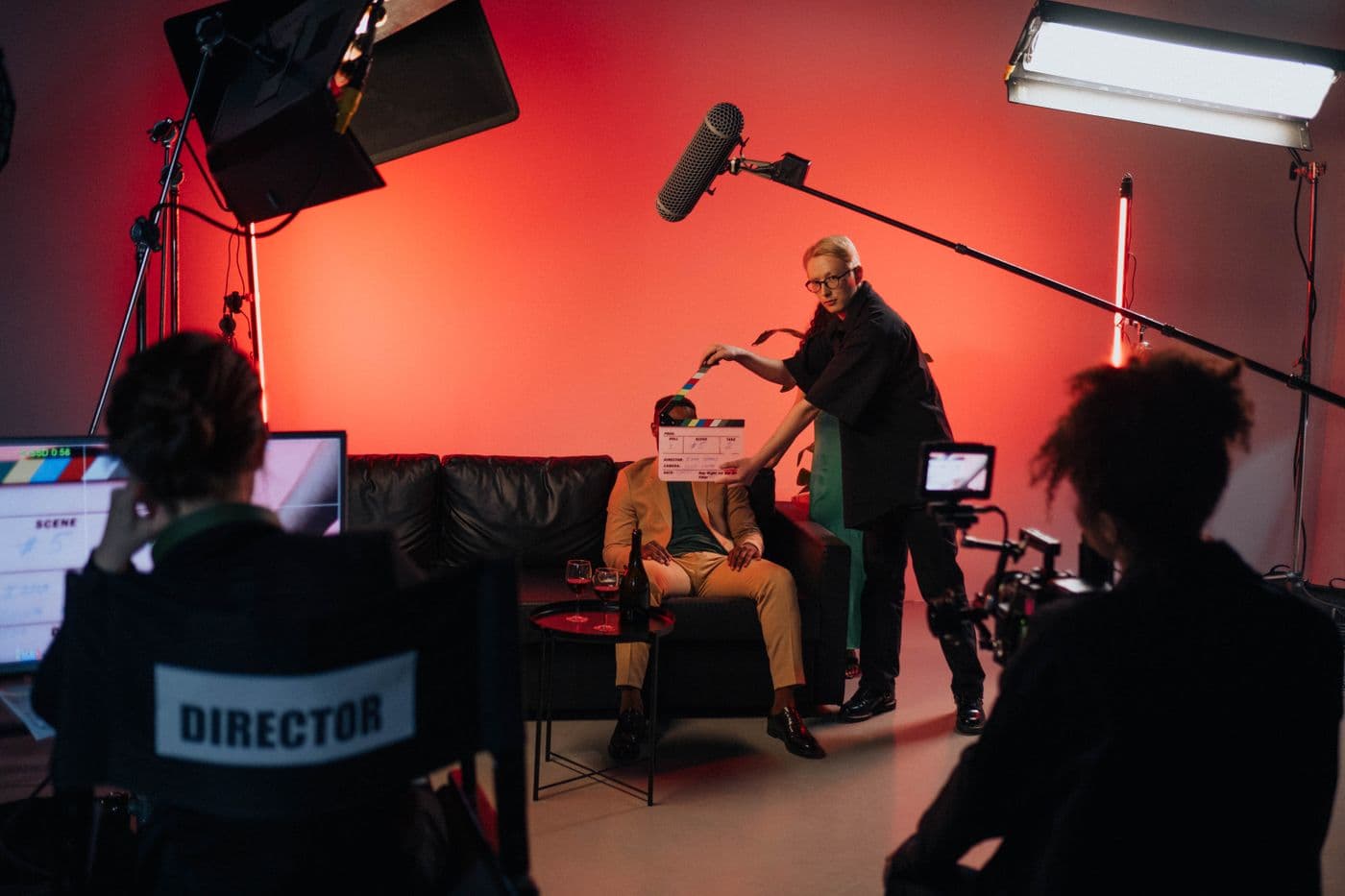
The crew on a music video does not exist before the music video: it comes together in about ten days, everyone arrives on a different call, and plenty of them have never worked together. That is exactly the situation where a vague call sheet costs an hour on the floor. Soldum generates it from the schedule: running order, individual call times — the artist does not arrive when grip arrives — locations and addresses, key contacts, weather, and the parking and catering details that account for half the texts you get the night before. It goes out as a link rather than an attachment, which settles the most expensive question of a one-day shoot: who has the current version. When a time moves, the sheet is regenerated and the link stays the same.
What Soldum does not do on a music video
Worth saying before you open an account. Soldum does not write your treatment and offers no editor: writing is imported. We do not handle editing, colour or visual effects, which weigh heavily on a music video's calendar. We handle no rights questions at all: master and publishing clearances, performer releases and filming permits are yours and your counsel's. We do not negotiate with vendors — the numbers you obtain stay yours to enter — and we do not build moodboards or visual research. And on a performance video shot in an afternoon by three people against a cyclorama, formal prep has close to nothing to automate: the value is limited to the budget, if you submit one.
Where to start, and what it costs
The lowest-risk test is a real project rather than a sample: import the treatment for your next video and compare the breakdown you get with the list you would have written by hand. The 7-day free trial is enough to decide before the first charge. On plans, billing is per account rather than per seat: €49 excl. VAT per month on Solo for one project at a time, €179 excl. VAT per month on Studio for unlimited projects with the whole crew invited at no extra cost per member, and 25% off on annual billing. On a format where you run several videos a month with a different crew each time, per-account billing is what changes the arithmetic.
| Your situation | What matters first | Where to start |
|---|---|---|
| First self-funded video with the artist | Knowing what one day can realistically hold | Breakdown of the treatment, then the schedule |
| Production company pitching a label | Testing a real cost against a fixed award, fast | Budget from the breakdown, trimmed to the award |
| Director shooting videos back to back | Reusing the same method from one job to the next | Unlimited projects on a single account |
| Shooting in ten days | Accurate call times sent out tonight | Shooting schedule, then generated call sheets |
| Video with choreography and background | Holding hair and makeup slots and background groups | Looks and background attached to setups in the breakdown |
What's your pre-production challenge?
Frequently asked questions
Does Soldum work without a script, from a treatment alone?
+
Yes, and on a music video that is the normal case. The breakdown applies to any document describing what will be shot: treatment, storyboard, shot list. It pulls out locations, looks, background, props and technical needs, then feeds the shooting schedule, the call sheets and the budget. A short treatment leaves gaps, and the breakdown surfaces them before the shoot rather than during it.
Can the schedule handle several locations in the same day?
+
That is precisely the case it is built for. Setups are grouped by location and by look, travel time between places is accounted for, and the artist's availability window constrains the order. If a location falls through or a time moves, the day recalculates instead of being redrawn, and the affected call sheets are regenerated.
Can it handle wardrobe changes and hair and makeup timings?
+
Yes. A look attaches to the setups it concerns in the breakdown, and the schedule groups those setups to keep the number of changes down. Call times are individual: the artist, the dancers, hair and makeup and the crew do not arrive at the same hour, and the call sheet tells each of them which one applies.
Does the budget suit a fixed amount awarded by a label?
+
The budget is built from the breakdown and the schedule, with labour separated from rentals and employer contributions computed rather than estimated. You get a real cost to place next to the award, so trade-offs happen on identified line items. Rates can follow French collective-agreement scales where they apply; check the rates and rules relevant to your own territory, as they change.
Do we pay for every person on the crew?
+
No, billing is per account: €49 excl. VAT per month on Solo for one project at a time, €179 excl. VAT per month on Studio for unlimited projects with the whole crew invited, and 25% off on annual billing. On a music video, where fifteen people come together for one day, that is what lets you give them access to the documents without multiplying the cost by fifteen.
How long does it take to prep a music video with Soldum?
+
Import and automatic breakdown take a few minutes; reviewing the breakdown, which remains essential, usually takes about an hour on a short treatment. The schedule, the call sheets and the budget are then generated from that base. The real gain shows up on later versions, which recalculate instead of being rebuilt.
Related reading
- Best pre-production software
- Commercial pre-production software
- Short film pre-production software
- Documentary pre-production software
- Screenplay breakdown software
- Shooting schedule software
- Call sheet software
- Video production budget software
- TV series pre-production software, built for a season rather than six films
- A crew day rate is a quote. Your budget needs the cost, and they are not the same number
Informational page. Collective agreement rates, employer contribution rules and obligations around music rights and performer releases change over time: check the rates, clearances and permits that apply to your production with the relevant bodies and your own counsel before committing.