
A short film is prepared with the paperwork of a feature and the resources of almost nobody. The script runs twenty pages instead of a hundred, the shoot fits into four days, the crew into eight people — and yet the funding application still expects a properly structured budget, the schedule still has to hold location by location, and the call sheets still go out the night before, written by whoever is also directing. Soldum reads the script, breaks it down, and derives the shooting schedule, the call sheets and the budget from it.
This page sets out what end-to-end automation actually changes on a short film, and why this is the format where it changes the most. On a feature, pre-production is somebody's job; on a short, it is one more evening for the director or the producer, after their day of paid work.
- AI screenplay breakdown: scenes, locations, cast, costumes, props, day or night, technical needs.
- Shooting schedule for a three-to-five day shoot, grouped by location and recalculated on every change.
- Call sheets generated from the schedule, one per day, shared by link rather than as attachments.
- Budget derived from the breakdown and the day count, exportable for a funding application.
- Billed per account rather than per seat, so the whole crew can be invited at no extra cost.
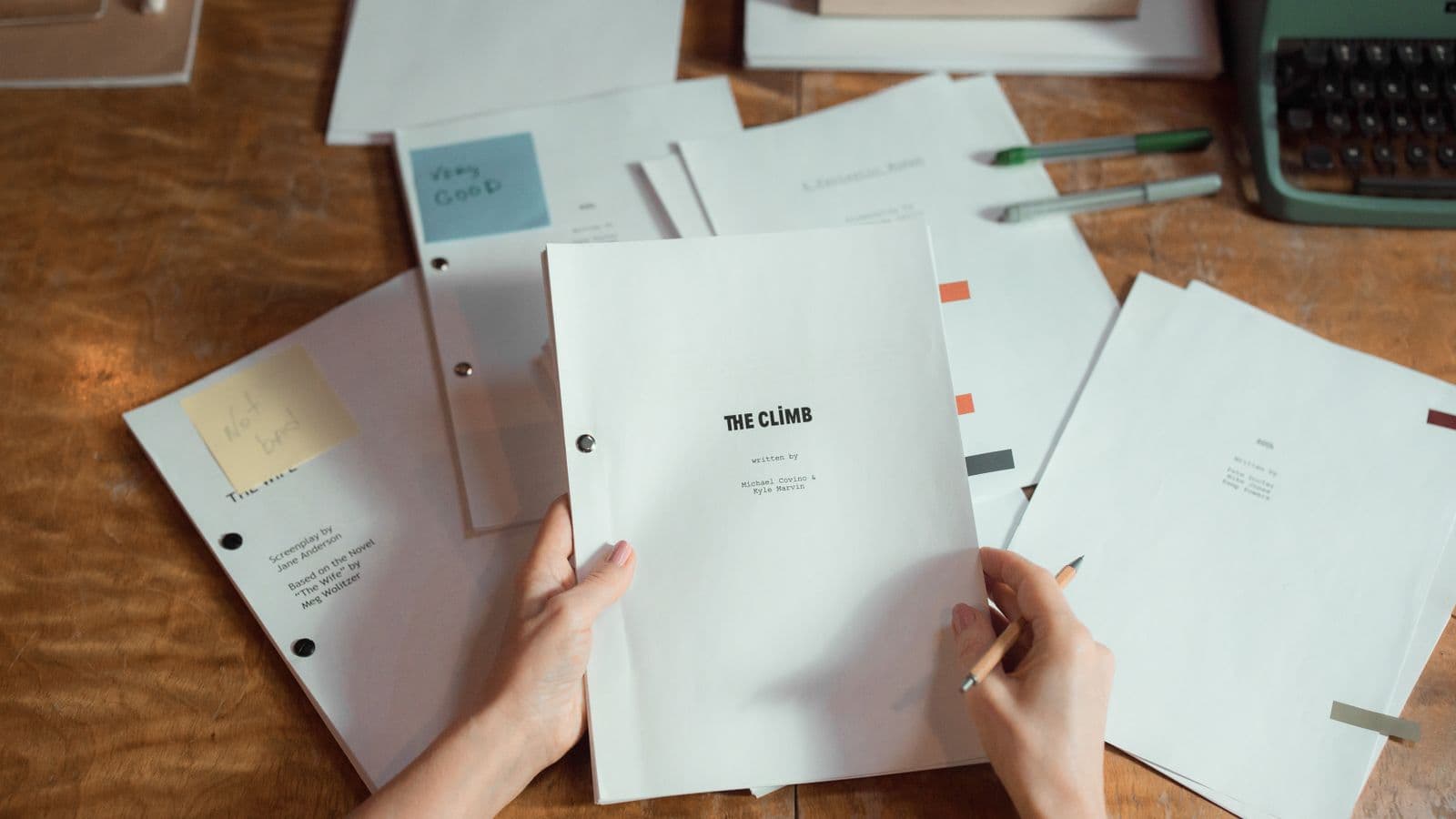
What a short film changes about pre-production
Most pre-production software is sized for a feature: a full production office, several months of prep, somebody whose job is to keep the documents current. A short film keeps every obligation and loses every resource — and that gap, not the page count, is what derails the prep. A lost day costs a quarter of the shoot instead of a fortieth, and the budget attached to a grant application is expected in the same shape as one for a three-million film. The table below sets out the differences that matter when you are choosing a tool.
| On this point | Feature film | Short film |
|---|---|---|
| Script length | 90 to 120 pages | 5 to 30 pages |
| Length of the shoot | Five to eight weeks | Three to five days |
| Production office | Line producer, production manager, coordinators | The director and a producer, sometimes the same person |
| Prep window | Months, full time | Evenings, between other jobs |
| Cost of one lost day | A fortieth of the shoot | A quarter of the shoot |
| What funders expect to see | A fully structured budget | The same, for a tenth of the money |
| Crew status | Contracts across every department | A mix of paid roles, deferrals and borrowed kit |
The breakdown, where every other document comes from
The entry point is the script, as a PDF or a Final Draft file. The AI splits it into scenes and pulls out everything that carries a cost or a constraint: locations, day or night, interior or exterior, cast present, costumes, props, vehicles, animals, effects, special technical needs. On twenty pages the first pass takes minutes where manual tagging takes an evening — but speed is not the real point. The breakdown is the database the shooting schedule, the call sheets and the budget are derived from: as long as it lives in a spreadsheet, those three documents are retyped by hand and drift apart at the first change. Nothing the AI proposes is applied without your approval: you review it scene by scene, correct what was misread and add what the script does not say.
The budget: small numbers, same structure
A short film budget is small, but it is read by people who expect a familiar shape: accounts and sub-accounts, quantities and unit rates, crew and cast separated from goods and services, employer contributions and fringes calculated rather than guessed at the bottom of a column. Soldum builds that budget from the breakdown and the shooting schedule, so the quantities come from the script and the day count instead of from memory. That matters more on a short than anywhere else: with no production accountant on the team, an understated payroll line is discovered during the shoot, when there is no contingency left to absorb it. Excel and PDF exports are ready to attach to an application, and regenerate when the project moves.
Funding applications, and what they expect
Short films are financed by stacking sources: a regional or national film fund, a broadcaster or platform acquisition, a production company's own investment, a film school, crowdfunding, sponsorship in kind. No single source covers the film, and each of them wants to see the others. Soldum keeps a financing plan alongside the budget, so what is still uncovered is visible at any moment without maintaining a second spreadsheet. One thing worth knowing if you shoot in France or co-produce with a French partner: crew and cast costs are computed from French industry collective agreements — the sector-wide rate cards that set minimum pay and employer contributions — which is exactly the part nobody wants to research by hand for a four-day shoot. Wherever you shoot, eligibility rules and ceilings change: the tool helps you track applications, it does not verify the criteria for you.
A three-to-five day schedule that actually holds
Across four shooting days there is no slack: the schedule does not need to be optimal, it needs to be survivable. Soldum builds it from the breakdown, groups what shoots at the same location so you are not moving the company mid-afternoon, and takes into account cast availability — usually the real constraint on a short, where everyone has another job — and the working hours a small crew can realistically sustain. When a location falls through ten days out, you do not redraw the plan: you change the location and the schedule recalculates, along with the crew days, the equipment rental and the budget lines that depend on it. That is the most common event on a short film, and the most expensive one to handle by hand.
Call sheets when nobody is a production coordinator
On a feature the call sheet comes from the production office; on a short it is written at midnight by the person directing the film, from a Word template found online, and it contradicts the schedule as soon as anything changes. Soldum generates it from the shooting schedule: one sheet per day, with the scene order, individual call times, locations and addresses, key contacts and the forecast weather. It is shared by link rather than as an attachment, which removes the most expensive question on a short shoot — who is holding the current version. When a day changes, the affected sheets are regenerated and the link stays the same.
What Soldum does not do on a short film
Better said before you open an account. Soldum does not write your script and offers no text editor: writing is imported. It does not handle dailies, editing or sound post, which take up much of a short film's calendar. It files no application on your behalf and guarantees no funding: the tool prepares the documents, the committee decides. It does not replace scouting or negotiating with vendors either — the rates you obtain are still yours to enter. And on a three-minute film shot in an afternoon by two people, there is not much formal prep to automate: the value then comes down to the budget, if you have to submit one.
How to start, and what it costs
The lowest-risk test is a real script rather than a sample: upload your short and compare the breakdown you get with what you would have tagged by hand. The 7-day free trial is enough to decide before the first charge. On pricing, the subscription is billed per account rather than per seat: Solo at €49/month excl. VAT for one film at a time, Studio at €179/month excl. VAT for unlimited projects with the whole team invited at no extra cost per member, and 25% off with an annual commitment. On a short film that billing model changes the arithmetic: inviting eight people, several of whom are working for a credit, does not cost eight times as much.
| Your situation | What matters first | Where to start |
|---|---|---|
| First self-produced short | A credible budget without losing a month to it | Break down the script, then generate the budget |
| Grant application due | A structured budget with payroll costed properly | Budget from the breakdown, then the financing plan |
| Shooting in six weeks | A schedule that holds and call sheets that match it | Shooting schedule derived from the breakdown |
| Film school running several films a year | The same framework across every project | Unlimited projects and invited crew on one account |
| Company producing shorts between features | Carrying the method from one project to the next | The full chain, from script to cost tracking |
What's your pre-production challenge?
Frequently asked questions
Is Soldum suitable for a twenty-page script?
+
Yes. The breakdown works the same way on a short script as on a feature: it splits the text into scenes and extracts locations, cast, costumes, props and technical needs. On twenty pages the first pass takes minutes, and it then feeds the shooting schedule, the call sheets and the budget.
Can the budget be attached to a funding application?
+
Yes. The budget is structured into accounts and sub-accounts, with crew and cast costed from real rate cards and employer contributions calculated, and it exports to Excel and PDF. Always check the exact documents required by the fund you are applying to, since they differ from one body to another.
What happens if a location or an actor drops out ten days before the shoot?
+
You change the element in the breakdown and the schedule recalculates: days regroup by location, the affected call sheets are regenerated, and the budget lines that depend on them follow. That is the most common event on a short film, and the one that costs the most to handle manually.
Do you pay for every crew member?
+
No, the subscription is billed per account: €49/month excl. VAT on Solo for one film at a time, €179/month excl. VAT on Studio for unlimited projects with the whole team invited, and 25% off with an annual commitment. On a short, where part of the crew is working for a credit, that is what lets you give everyone access without multiplying the cost.
Can you prepare a short film without a producer?
+
That is the most common case, and the one automation helps most. The tool produces the documents a production office would maintain — breakdown, schedule, call sheets, budget — and keeps them consistent with each other. It makes no decision for you: every AI suggestion is reviewed before it is applied.
How long does it take to prep a short film with Soldum?
+
Uploading the script and running the automatic breakdown takes minutes; reviewing that breakdown, which you should not skip, usually takes one to two hours on a short script. The schedule and the budget are then generated from it. The real saving shows up on the later versions, which recalculate instead of being rebuilt.
Related reading
- Best pre-production software
- Documentary pre-production software
- Commercial pre-production software
- Screenplay breakdown software
- Call sheet software
- Film budgeting software
- Guide: how to budget a film
- TV series pre-production software, built for a season rather than six films
- A call sheet template will carry you through day one. Not day two.
- The French film tax credit is sized in the budget, not after the shoot
Informational page. Funding schemes, collective agreement rates and budget templates referenced here change over time: check current ceilings, criteria and required documents with the relevant body before submitting an application.